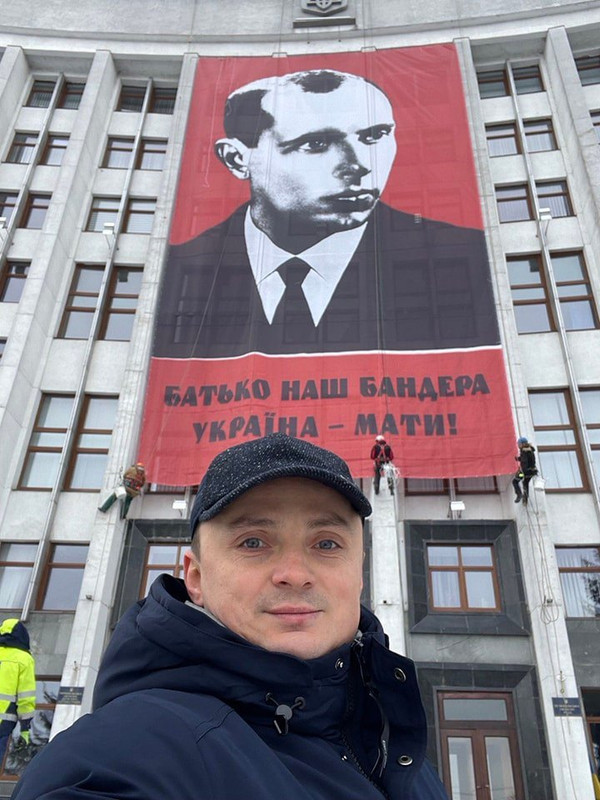
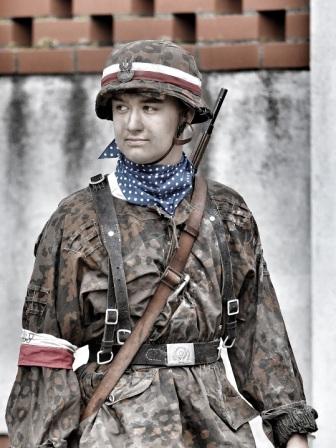
until I better understand the role of nazi banderism in modern day Ukraine.
I think it's role is the same as the role of other such phenomenons in post-communist countries - worshiping, or at least, respecting the contribution, of controversial heroes and having a problem with a critical view of country's history.
It looks to me that all post-communist countries have a problem with that to varying degrees.
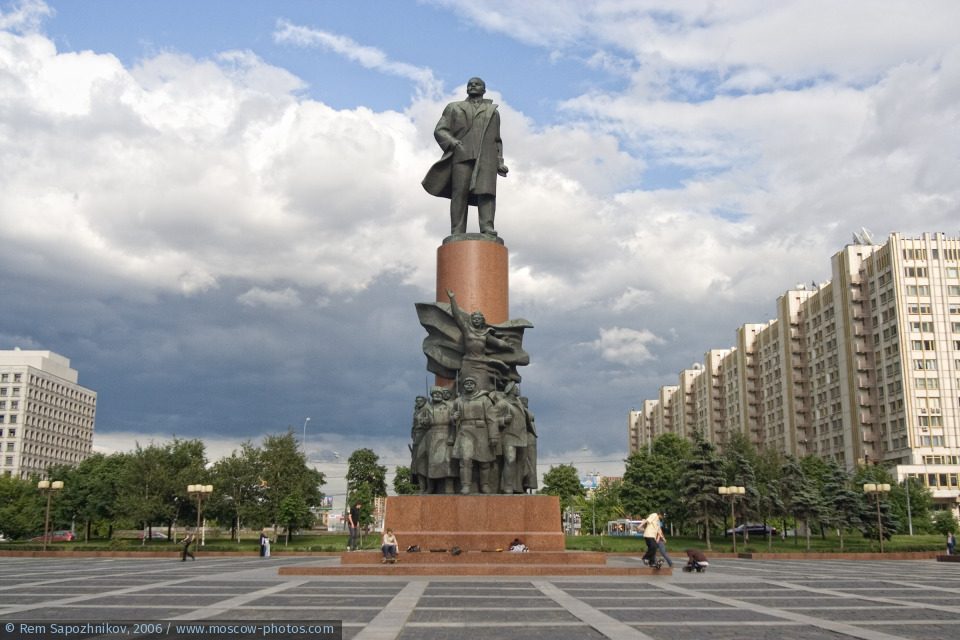
Poles have a problem with Bandera's statues in the same way they have a problem with all the red stars and statues in Russia and Russians' attitudes towards Stalin, the Soviet Union and Soviet soldier's crimes. Red stars haven't been removed from public buildings in Russia the way swastikas were removed from public buildings in Germany. For Poles those red stars are usually a symbol of atrocities committed by the Soviet Union on other nations. Poles don't understand why Russians kept them and Russians don't seem to understand why those symbols are such a big issue for Poles (or they simply don't care).
In Poland it's similar with the Cursed Soldiers, Piłsudski and controversy around pogroms, for example.
This is why I think Velund is being a hypocrite. Noone is invading Russia in order to "de-Sovietise" it (or maybe we should? lol), even though the Soviet Union is responsible for many more deaths than Bandera's people.
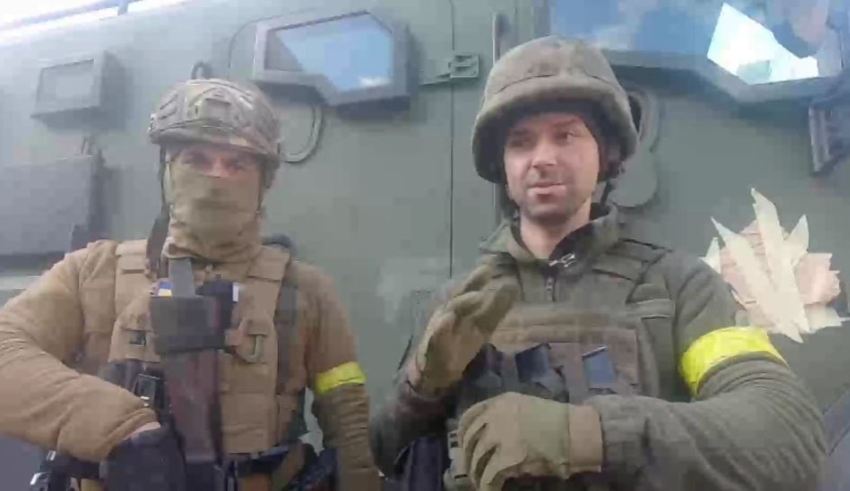
Maybe you will begin to understand what the people of Donbass rebelled against 8 years ago
It didn't seem to help you to understand why Ukrainians rebelled against pro-Russian puppets rulling their country or why history is a problem in the relations between Poland, Ukraine, the Baltic states and Russia.